
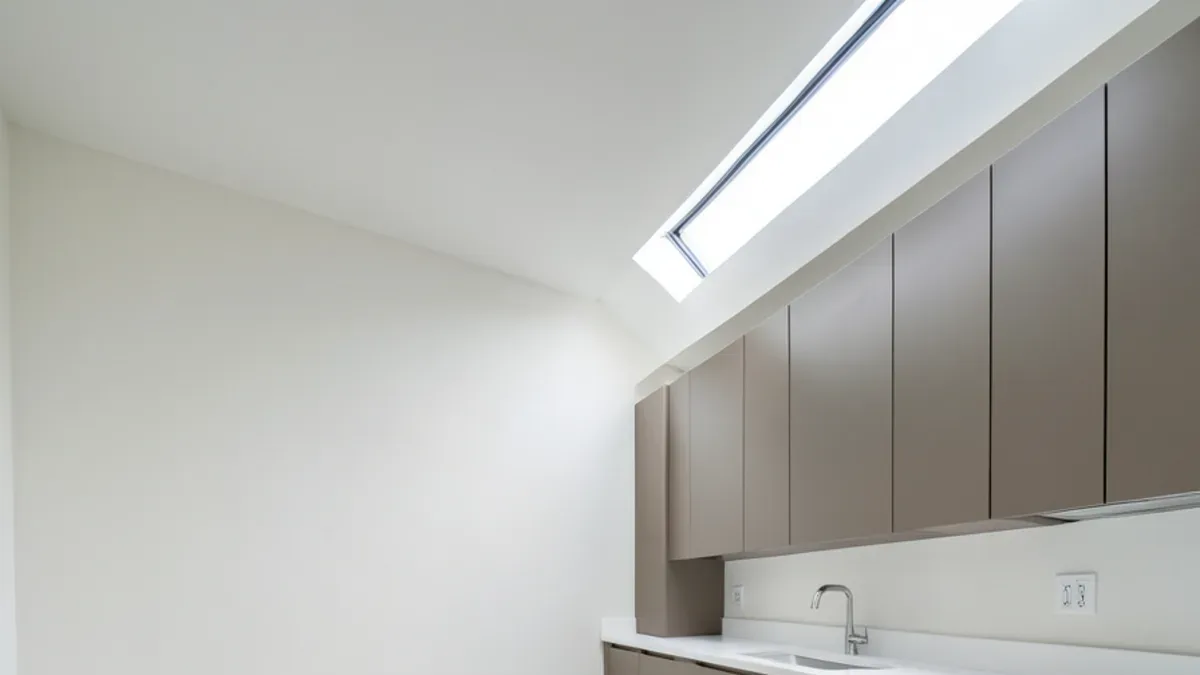
What counts as imported or local cabinetry?
In a Los Angeles kitchen, “imported” usually means one of two things: European-style frameless cabinetry with full-overlay doors and lacquer, laminate or high-gloss finishes, or factory-built lines made overseas and shipped in assembled or ready-to-assemble form. “Local” usually means cabinets built in California or elsewhere in the U.S., either by a regional factory or a custom shop, often in the framed, American style with a visible face frame.
The labels overlap. Local shops build frameless boxes, and some imported lines are traditional framed Shaker kitchens. Treat the origin as a clue about sizing, finishes and logistics rather than a verdict on durability.
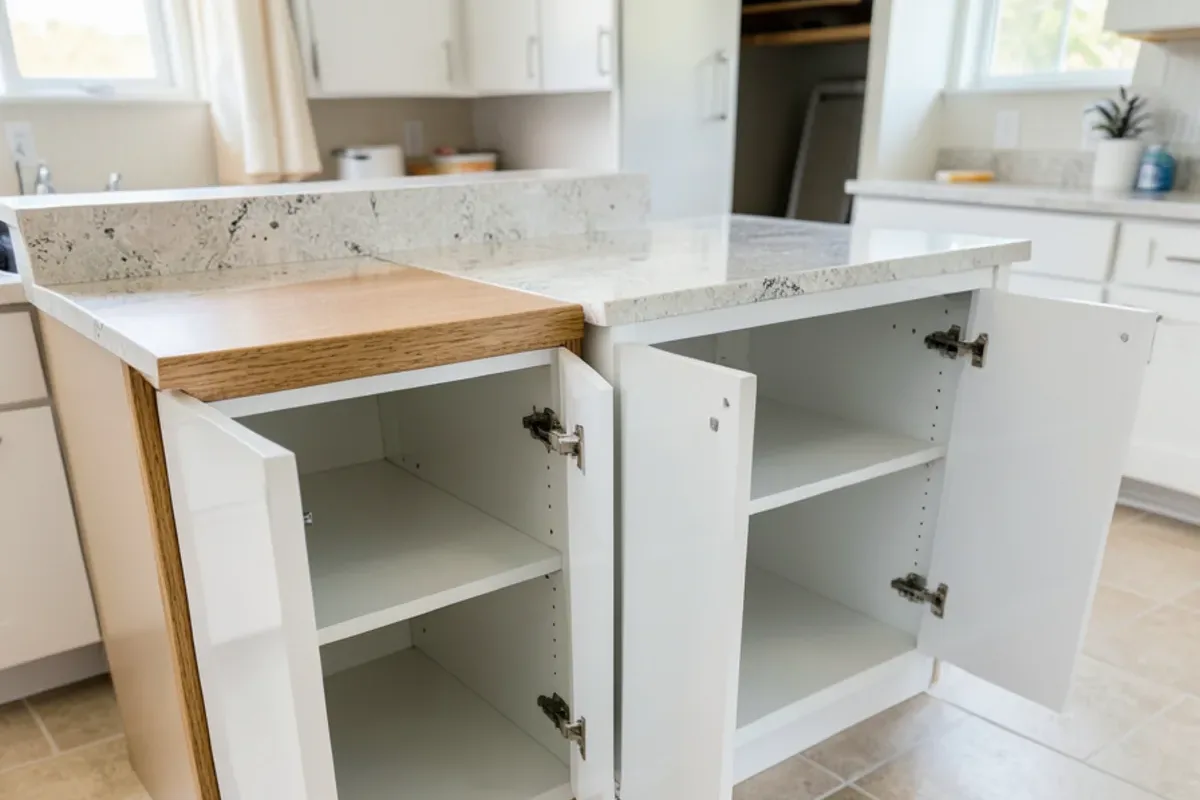
Want to see the options in person?
The Sherman Way showroom has cabinets, counters, tile and flooring on display side by side. Call before you come and say what you're working on.
- Showroom at 13259 Sherman Way, North Hollywood
- 20 Google reviews
- BBB rating A+
- Cabinets, counters, tile & floors in one place
How do imported and local lines compare side by side?
| Factor | Typical imported line | Typical local line |
|---|---|---|
| Box style | Mostly frameless, full-overlay doors | Framed or frameless, depending on the shop |
| Sizing | Fixed module widths; fillers close gaps | Easier to modify widths, depths and heights |
| Finishes | High-gloss, matte lacquer, textured laminate, wood veneer | Stained and painted wood, plus paint-grade MDF |
| Lead time | Includes ocean freight and port handling | Depends on shop schedule; no shipping overseas |
| Matching later | A discontinued color can be hard to match | A local shop can often remake a door |
| Price | Ranges from budget to very high-end | Ranges from stock to fully custom |
Price is the row people ask about most, and it is the least predictable. A ready-to-assemble import can cost less than a local stock line, while a premium European kitchen can cost more than a custom local job. Compare quotes on the same layout, the same box material and the same drawer count.
Why construction matters more than origin
Look past the door and check what holds the kitchen together. These details separate a cabinet that lasts from one that sags, wherever it was made:
- Box material: plywood, particleboard or MDF, and how thick the sides and back are.
- Edge banding: thick, well-bonded banding resists chipping and keeps water out of the core.
- Drawer boxes: dovetailed wood or solid metal sides hold up better than stapled particleboard.
- Glides and hinges: full-extension, soft-close hardware rated for real loads, with parts you can still buy later.
- Shelf thickness and supports: thin shelves bow under dishes, especially in wide upper cabinets.
Framed or frameless: what changes inside the box?
Because so many imported lines are frameless and so many local lines are framed, the construction style often decides more about daily use than the origin does. The differences show up the moment you open a door:
| Detail | Frameless (common in European-style lines) | Framed (common in American-style lines) |
|---|---|---|
| Access | Wide-open box with no frame lip; drawers can be slightly wider | Face frame narrows the opening a little on every box |
| Door styles | Full overlay only; tight, even reveals | Full overlay, partial overlay or inset doors |
| Rigidity | Comes from thicker box sides and the countertop | The face frame stiffens the front of the box |
| Hole pattern | Usually the 32 mm system for hinges, shelves and drawers | Varies by maker |
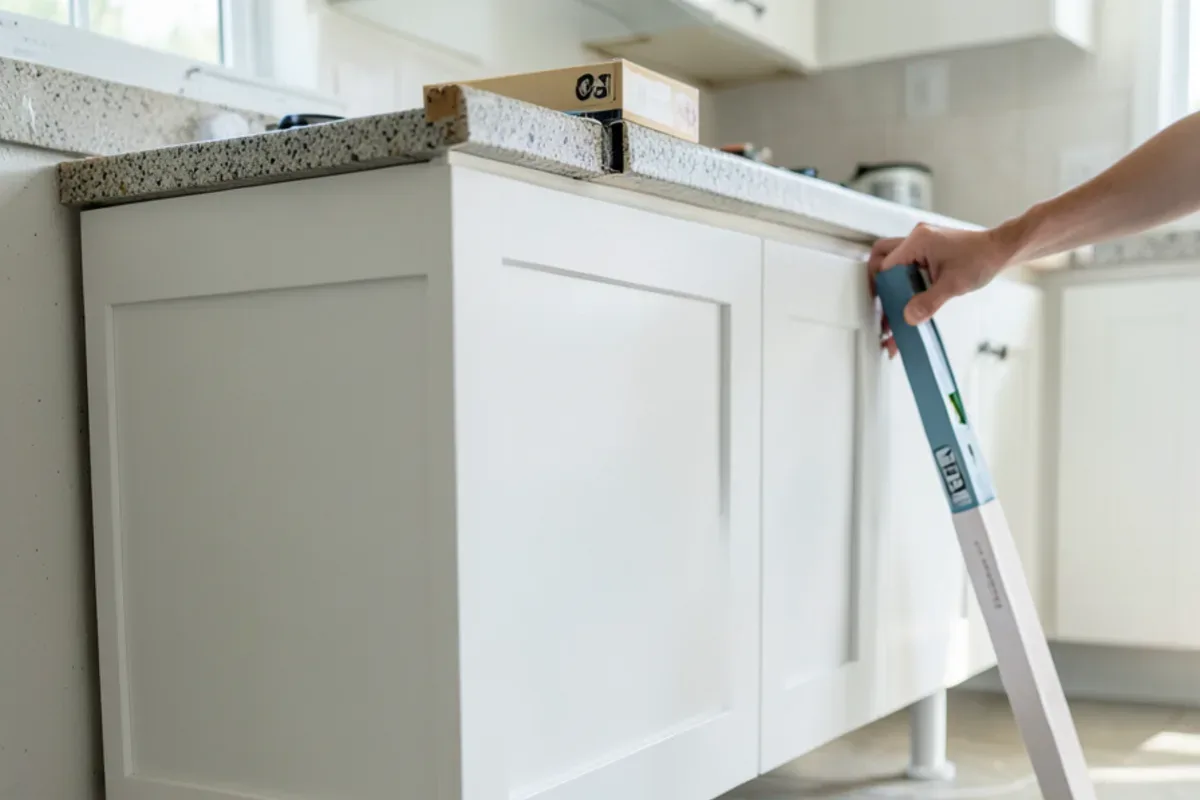
| Installation | Unforgiving; boxes must be dead level for reveals to line up | More tolerant of small wall and floor errors |
| Toe-kick | Often a separate plinth on adjustable legs | Usually built into the box |
The installation row is the one people underestimate. On a sloping slab or a wavy plaster wall, frameless doors show every error as an uneven gap, so the installer spends more time leveling and shimming. Adjustable-leg bases help, but they need a floor that is reasonably flat to begin with.
What to open and test in the showroom
Our North Hollywood floor puts local and imported cabinetry within a few steps of each other, which makes a fair test easy. Spend ten minutes doing the following before you look at colors:
- Pull a full drawer all the way out and push down on the front. A good glide stays level and closes smoothly.
- Open a door past 90 degrees and let it swing back. Note whether the hinge self-closes and whether it can be adjusted three ways.
- Look at the back panel and bottom of an open box, and ask what the material is.
- Run a hand along an exposed edge to feel the banding.
- Ask what happens if a door is damaged in two years: is the color likely to stay available, and who stocks the hinges?
Assembled or flat-packed?
Many imported lines ship flat-packed to save freight space, while local lines usually arrive assembled. Neither is a quality signal by itself, but each changes the job:
- Flat-packed boxes need assembly time before installation, and the result depends on the person assembling them. Ask who does it and whether it is priced in.
- Check the hardware bags against the parts list on delivery day. A missing cam or hinge plate can stall a run.
- Assembled boxes take more storage space and are more awkward to carry through narrow halls and up condo stairs, so measure the route.
- Damage looks different. A crushed corner on an assembled box is obvious; a chipped panel inside a flat pack may not show until it is opened, so open cartons promptly.
Which homes suit imported vs local cabinets?
Modern houses with long, flat walls and tall ceilings often suit imported frameless systems, because module widths line up and the handle-free look fits the architecture. Many newer and remodeled homes in Beverly Hills lean this way, with integrated appliances and floor-to-ceiling panels. Older homes across Los Angeles, from 1920s duplexes to 1950s ranch houses, rarely have walls that are perfectly square, and a local line that can be modified a few inches here and there may save a lot of filler strips.
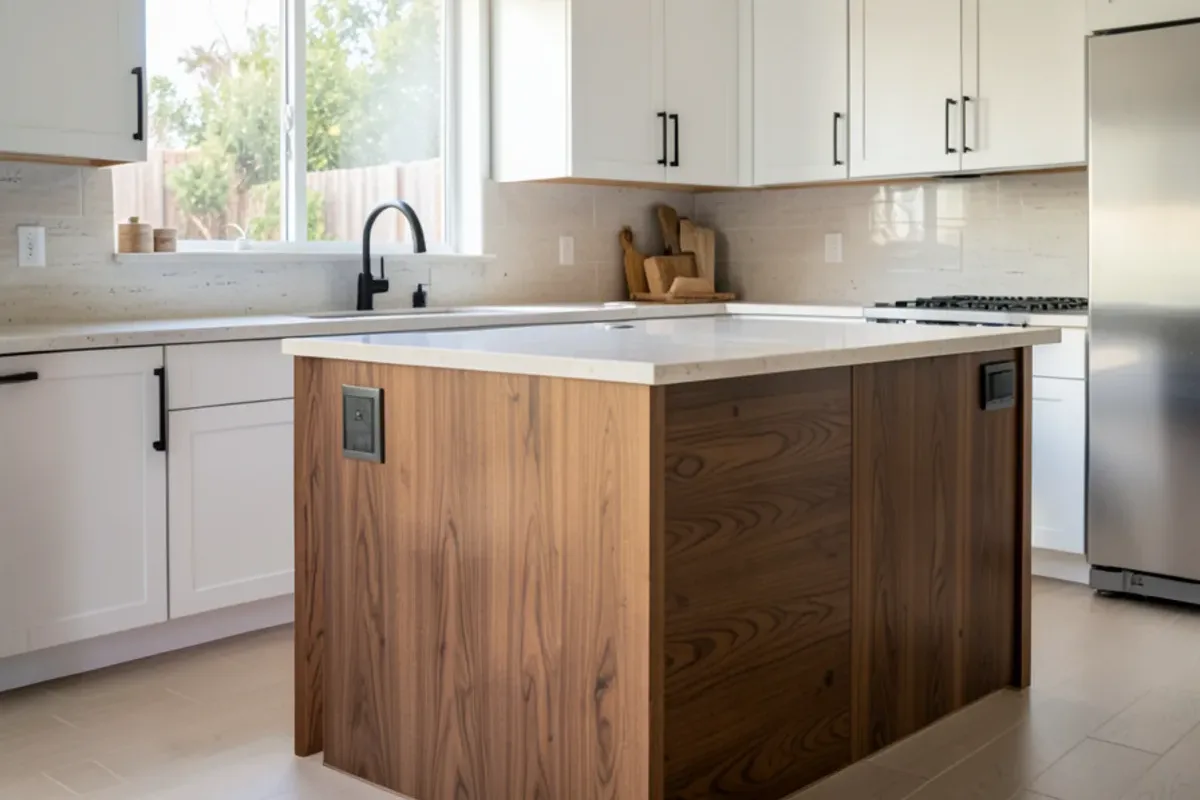
Mixing is possible too. Some owners pair a frameless imported perimeter with a locally built island in a contrasting wood, which keeps the clean look and adds a piece sized exactly to the room.
Lead time, delivery and planning
Imported cabinets travel by ocean freight, clear customs and then move by truck, so build extra time into the plan and ask for the expected arrival window when you order. Local lines depend on factory or shop capacity, which also changes through the year. In both cases, don’t demolish the old kitchen until the new cabinets are confirmed. Inspect every box on delivery and note damage right away, because claims for shipping damage usually have tight reporting windows.
Seeing both before you decide
Our page on imported kitchen cabinets covers the frameless lines in more depth, and the main kitchen cabinets page shows how local and imported options sit next to slab and prefab counters, backsplash tile and flooring. If the cabinets are part of a bigger project, start with kitchen remodeling in Los Angeles to see how the pieces fit together.
Quick answers
Are imported cabinets lower quality than American-made cabinets?
Not necessarily. Imported cabinets range from inexpensive ready-to-assemble boxes to some of the most precisely built kitchens on the market, and local cabinetry varies just as widely. Judge any line by its box material, drawer construction, hinges and edge banding. Opening the drawers and doors in a showroom tells you more than the country of origin.
Can I get replacement doors for an imported line years later?
Sometimes, but plan for the possibility that you can’t. Imported colors and door styles are discontinued without much warning, and matching a high-gloss or textured finish later is difficult. Ordering one or two spare doors or panels with the original order is a practical hedge, especially in a rental where doors get replaced more often.
Do frameless European cabinets fit standard American appliances?
Usually they do, but check the openings carefully. Frameless lines are built in fixed module widths, and a 30-inch range or 36-inch refrigerator needs the right opening plus any required side clearances. Panel-ready dishwashers and refrigerators need compatible door-mounting hardware. Confirm every appliance model and its installation specs before the cabinet order is finalized.
What does a CARB compliance label on a cabinet mean?
A CARB label means the composite wood in the cabinet, such as particleboard, MDF or hardwood plywood, comes from panels certified to meet California Air Resources Board formaldehyde emission limits. A TSCA Title VI label shows compliance with the matching federal EPA standard. Both imported and locally made cabinets sold in California should carry or document it.
Sources
- California Air Resources Board: Composite Wood Products Program — Formaldehyde emission limits for composite wood sold in California
- EPA: Formaldehyde Emission Standards for Composite Wood Products — TSCA Title VI national standard and labeling
- Kitchen Cabinet Manufacturers Association — Cabinet performance testing and certification program
About this guide
Written by the team at Adcom Kitchen & Flooring, a kitchen cabinet, countertop, tile and flooring showroom at 13259 Sherman Way in North Hollywood. Rules and figures from outside sources are attributed; confirm current requirements with your building department or the agency named.
Related services
Service areas
More on this topic: Kitchen Cabinets
Talk to the showroom before you buy
Call with your measurements and photos, or stop by Sherman Way to compare cabinets, counters, tile and flooring side by side.
Adcom Kitchen & Flooring · 13259 Sherman Way, North Hollywood, CA 91605 · Get directions · Showroom hours
- Showroom at 13259 Sherman Way, North Hollywood
- 20 Google reviews
- BBB rating A+
- Cabinets, counters, tile & floors in one place