
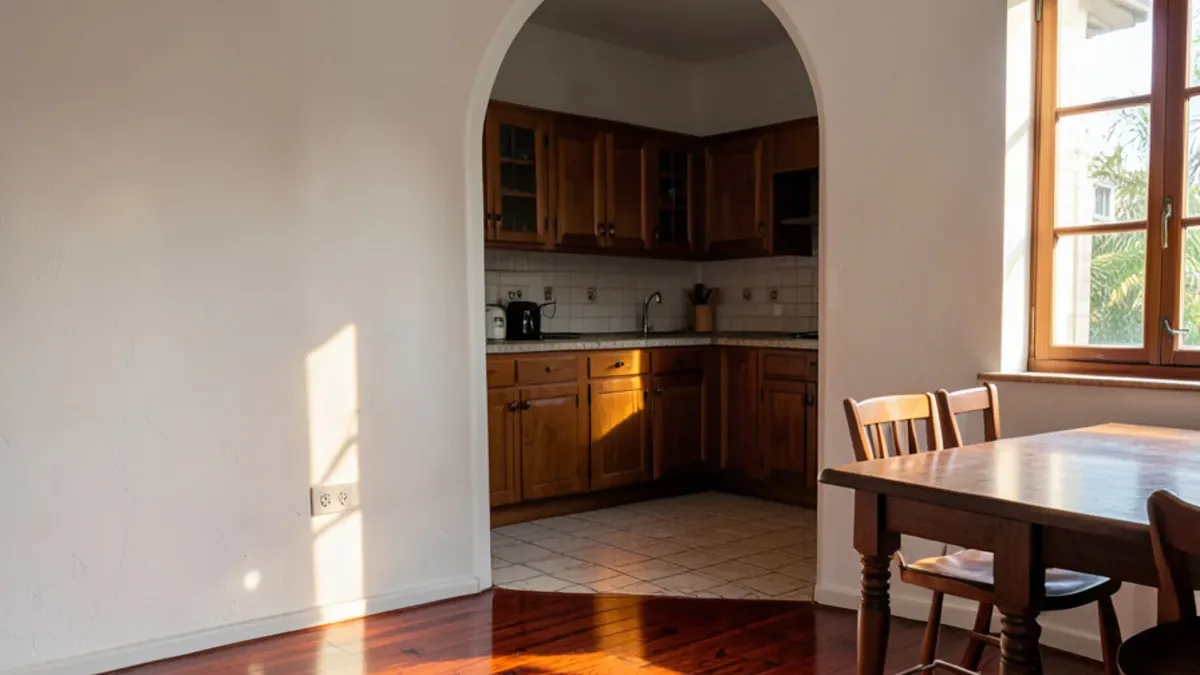
Oak hardwood flooring and the other solid species worth comparing
Oak covers more Southern California floors than any other species for good reasons: it is hard enough for family life, it takes stain evenly, and its grain hides small scratches and dust. Red oak runs warmer and slightly pinkish; white oak reads cooler and suits the pale, matte looks that are popular in remodels now. Beyond oak, maple, hickory and imported exotic woods each bring a different character.
| Species | Hardness (relative) | Grain and color | Worth knowing |
|---|---|---|---|
| Red oak | Medium-hard | Open grain, warm tones | Classic match for original floors in 1940s and 1950s homes |
| White oak | Medium-hard, a bit harder than red | Tighter grain, cool to neutral | Takes gray and natural finishes well |
| Maple | Hard | Fine, subtle grain, pale | Can look blotchy if stained dark |
| Hickory | Very hard | Strong color variation | Good for dogs and busy homes |
| Exotic hardwoods | Often very hard | Deep reds, browns, striping | Many darken or change color with sunlight |
Hardness helps against dents from dropped pans and chair legs, but finish matters as much for daily wear. A tough factory finish on a medium-hard oak can outlast a soft finish on a harder wood.
Exotic wood flooring: what to expect from imported species
Exotic hardwoods appeal to people who want depth of color without stain. Many are dense, which makes them resistant to dents but harder to cut and nail, and many change color noticeably in the first months as they react to light. A floor that looks salmon-pink on day one can settle into a deep reddish brown within a year in a sunny room.
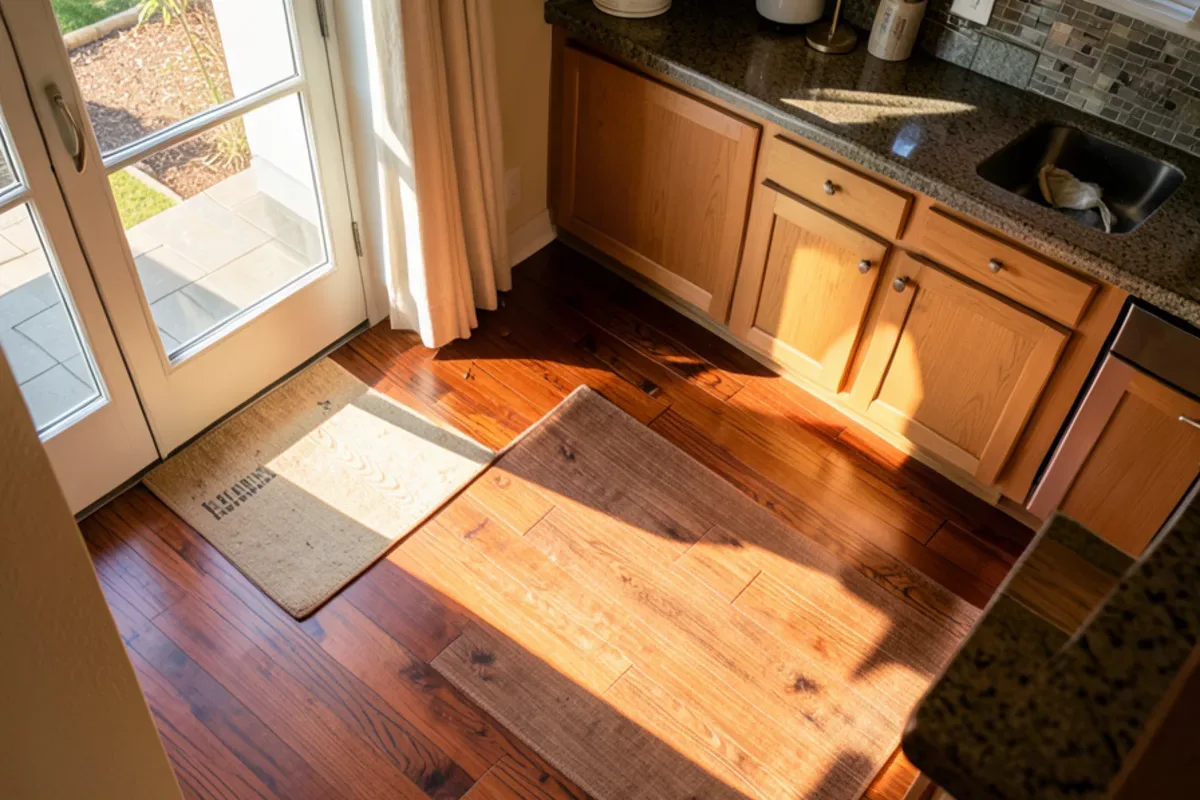
- Sunlight changes the color. Area rugs moved after six months can leave a lighter rectangle. Rotate rugs in the first year, and consider UV-filtering window film on west-facing glass.
- Density affects installation. Very hard boards may need predrilling or particular fasteners, and they can be less forgiving of an uneven subfloor.
- Oily species need the right adhesive. For glue-down work, use the adhesive the flooring maker specifies for that wood.
- Ask what is on display. The showroom’s exotic options change with availability, so look at full boards rather than a small chip before you order.
Questions about hardwood flooring?
Call with your measurements and photos, or stop by Sherman Way to compare cabinets, counters, tile and flooring side by side.
- Showroom at 13259 Sherman Way, North Hollywood
- 20 Google reviews
- BBB rating A+
- Cabinets, counters, tile & floors in one place
Is wide plank hardwood a good idea in a dry climate?
Narrow 2¼-inch strip flooring is what many original LA floors are made of, and it is still the most stable option for solid wood because each board moves very little. Wide planks, from about 5 inches up, show more of the grain and make a room feel calmer and larger, but each board expands and shrinks more with the seasons.
That movement is a real factor in the Valley. During Santa Ana wind events and long dry summers, indoor humidity can drop low enough that wide solid boards open visible gaps, and if the house is closed up and humid later, they can cup. If you love the wide look, consider a slightly narrower solid board, keep indoor humidity steady with a humidifier in dry months, or look at engineered planks, which hold their shape better in wide formats.
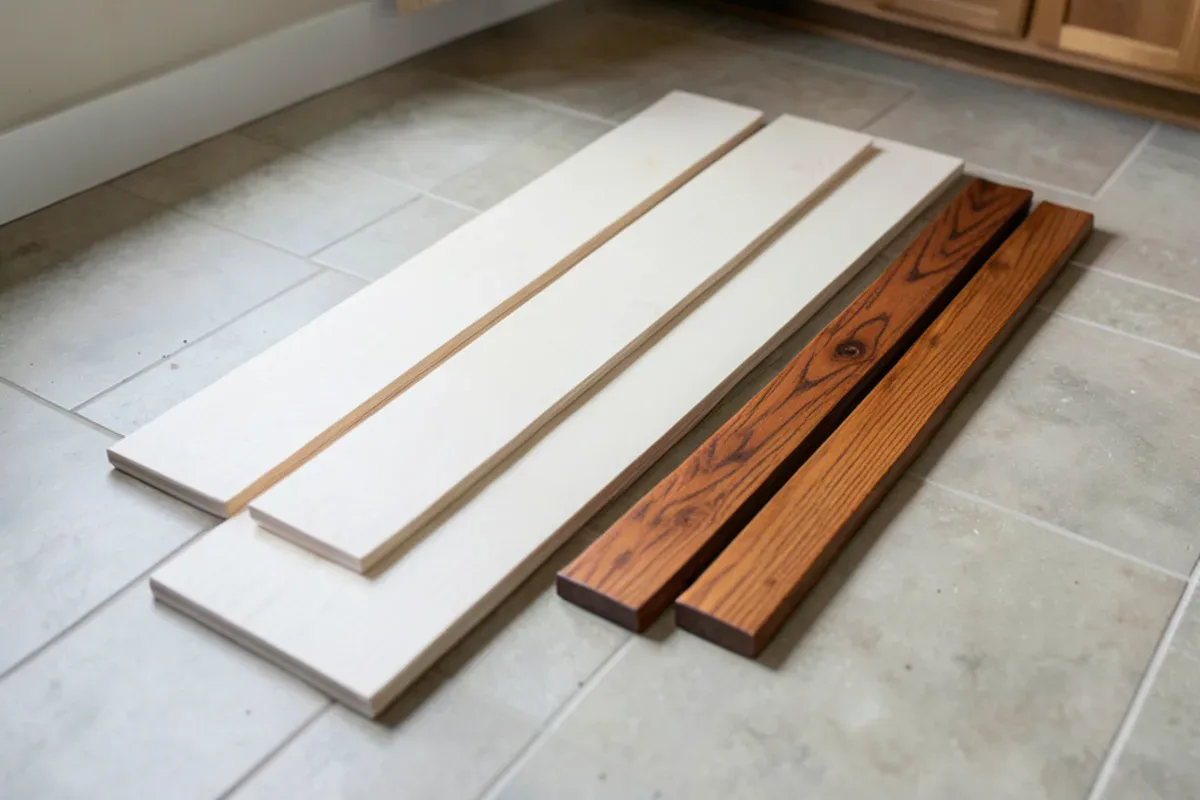
How solid hardwood floor installation is matched to your subfloor
Solid hardwood needs to be fastened, and the method depends on the structure under the room. Getting this right matters more than any finish choice.
Identify the subfloor
Raised-foundation homes, common in older neighborhoods and on hillsides, usually have plywood or plank subfloors over joists. Many post-war Valley tracts are slab-on-grade concrete.
Check flatness and squeaks
Wood subfloors are screwed down where they squeak and checked for high and low spots. Soft areas near a bathroom or kitchen sink can point to old leaks.
Test moisture
Both the wood flooring and the subfloor are measured with a moisture meter, and the readings should be close before installation begins. Over a slab, a concrete moisture test comes first.
Acclimate the boards
Boxes are opened and stacked in the room, at normal living temperature, for the period the manufacturer recommends.
Nail or glue
Over wood subfloors, solid hardwood is typically nailed or stapled through the tongue. Over concrete, solid wood generally needs a plywood subfloor system or a product rated for glue-down use.
Finish and trim
Prefinished boards are ready once trim and transitions go on. Unfinished boards are sanded and coated on site, which adds days and fumes.
Hardwood flooring cost in Los Angeles: what moves the number
Hardwood is quoted per square foot, but several decisions change that figure. Ask any installer to break their quote into material, prep and labor so you can compare like with like.
- Species and grade: clear, uniform grades cost more than character grades with knots and color variation; exotic species usually sit higher than domestic oak.
- Width and length: wide, long boards cost more and generate more waste in small rooms.
- Prefinished or site-finished: site finishing adds sanding, coats and drying time but allows custom stain colors.
- Subfloor work: adding plywood over a slab, fixing squeaks or leveling dips adds both materials and labor.
- Removal and disposal: tearing out glued-down floors or old tile is slow work compared with pulling carpet.
- Stairs, vents and thresholds: stair treads, flush vents and reducers are priced individually.
Living with solid hardwood floors in a dry, sunny climate
A hardwood floor in the San Fernando Valley sees intense afternoon light and wide swings in humidity, and a few habits keep it looking right. Keep indoor humidity reasonably steady; small seasonal gaps in winter or during wind events are normal and usually close again. Put felt pads under chair and table legs, use a doormat at every exterior door to catch the grit that acts like sandpaper, and clean with a barely damp microfiber mop rather than a wet mop or a steam cleaner.
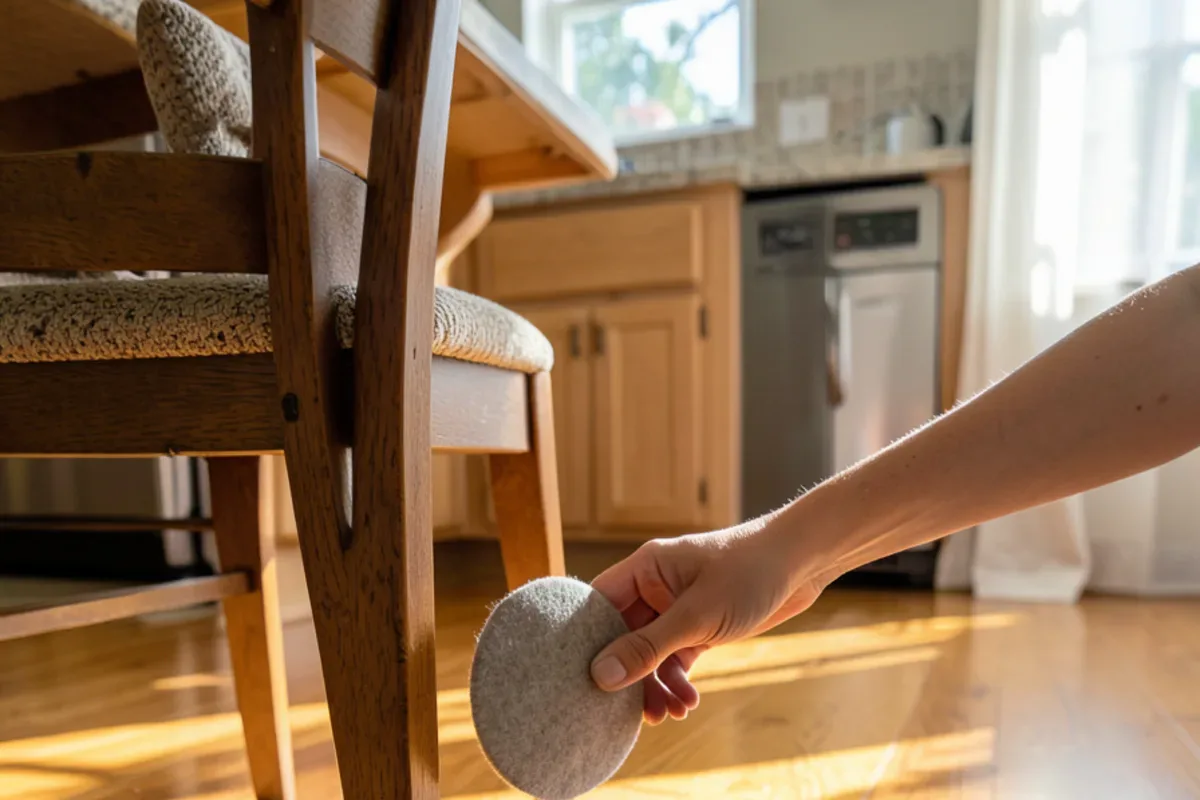
Our guide to protecting hardwood floors from sun and grit covers window treatments and cleaning in more depth. When the finish eventually wears through in traffic paths, solid hardwood can be screened and recoated, or sanded and refinished, which is one of its main advantages over most other floors.
Refinish or replace? Reading an old wood floor
- Refinish when the wear is in the finish: gray traffic paths, light scratches, sun-faded patches or pet nails that never reached bare wood.
- Patch when a few boards are stained black by water or a radiator leak; matching strip oak is usually straightforward.
- Replace when boards are cupped across a whole room, the tongues are exposed from earlier sandings, or the subfloor underneath is soft.
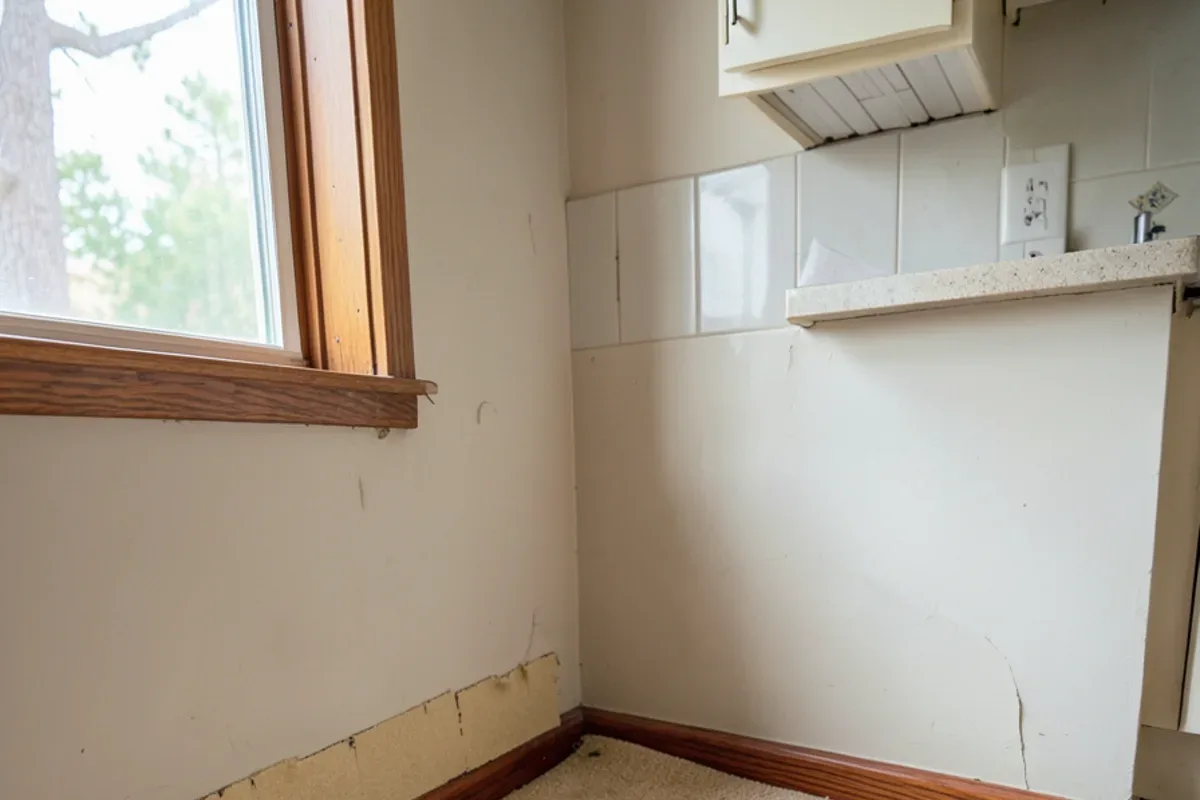
Pulling up carpet often reveals original oak in 1920s to 1950s houses, so check under a closet corner before ordering anything new. Sanding next to painted baseboards in a pre-1978 home falls under the EPA’s RRP lead-safe rule, and while a new floor covering is generally not a permit item, replacing joists or subfloor framing goes through LADBS in the City of Los Angeles or your own city’s building division.
Why choose Adcom for hardwood floors?
- Domestic and exotic wood in one showroom. Compare oak, maple and imported species against each other, and against the vinyl and laminate alternatives, in a single visit.
- The rest of the room is there too. Cabinet doors, slab and prefab countertops and tile share the floor with the wood samples, so you can check that a stain color works with them.
- Purchase and installation together if you want it. Google reviewers describe buying a wood floor and having it installed through the showroom.
- A steady address. Archived versions of the business’s website have listed the same Sherman Way showroom since at least 2015.
Hardwood buyers visit from across the region: Pasadena owners matching original oak in Craftsman homes, La Cañada Flintridge houses on raised foundations, Glendale hillside homes, and neighborhoods throughout the City of Los Angeles.
What Google reviewers say
Quoted from public Google reviews. Adcom Kitchen & Flooring has 20 Google reviews; read them all on Google.
“Tony is the best. Great Value, and service. Tony stands behind his products. His granite installers went above and beyond and handcrafted a part of the counter top that required extra effort.”
“Great selection great service. Tony Jr. Was great he beat everyones prices and he stands by his word. Very easy to work with. If he doesn't have the tiles not to worry he'll find it and beat any price within reason.”
“Tony and his guys are awesome. We purchased our flooring and installation from him, and couldn’t be happier with the results. He helped us find a style that we would love, and the installation was well done.”
Hardwood Flooring around Los Angeles and Ventura counties
- Hardwood Flooring in PasadenaCraftsman homes in districts like Bungalow Heaven where original oak floors protect the house’s character.
- Hardwood Flooring in Huntington Park1920s–40s bungalows near Pacific Boulevard with original hardwood hidden under later flooring.
- Hardwood Flooring in Compton1920s–50s single-family homes where strip oak often survives beneath carpet or vinyl.
- Hardwood Flooring in LakewoodEarly-1950s planned-city houses with hardwood under carpet that can often be refinished.
- Hardwood Flooring in La Cañada FlintridgeMid-century ranch houses on raised foundations that take nail-down solid wood well.
- Hardwood Flooring in Beverly HillsEstate and flats homes where wide-plank hardwood is the expected finish level.
- Hardwood Flooring in Ladera HeightsHilltop mid-century homes with original oak floors worth sanding and matching.
- Hardwood Flooring in Redondo BeachMarine air keeps wood floors moving, so narrower boards and steady humidity matter here.
- Hardwood Flooring in BurbankStudio-town bungalows where original oak under carpet is a common find during remodels.
- Hardwood Flooring in East Rancho Dominguez1940s-50s homes east of Compton often still have original oak under carpet, so new kitchen hardwood can be matched to those rooms.
Hardwood Flooring: common questions
Can hardwood go in a kitchen?
Yes, with realistic expectations. Hardwood handles normal kitchen use if spills are wiped up quickly and the dishwasher and sink supply lines are in good condition, but a slow leak under the sink can cup and stain boards. A durable factory finish and a mat at the sink help. In busy family kitchens or rentals, waterproof vinyl or tile is the lower-risk choice.
How long should hardwood acclimate before installation?
Follow the manufacturer’s instructions, which commonly call for several days in the room where the floor will go, with boxes opened and the house at normal living temperature. The goal is for the boards to reach a moisture level close to the subfloor’s, confirmed with a moisture meter rather than by the calendar. In a dry Valley summer, that check matters more than the exact number of days.
Nail-down or glue-down: which is right for my subfloor?
Nail-down suits plywood or plank subfloors over joists, which are typical in raised-foundation and older hillside homes. Glue-down is used over concrete slabs, common in post-war Valley tracts, but only with products rated for it and after a moisture test. Solid wood over a slab often needs a plywood layer first, which is why many slab homes choose engineered wood instead.
Which hardwood species resists dents best?
Hickory and many exotic hardwoods rate highest on the Janka hardness scale among commonly sold floors, followed by maple, then white and red oak. Hardness is only part of it: a wire-brushed or hand-scraped texture and a matte finish hide dents and scratches better than a smooth, glossy surface. Homes with large dogs often pair a harder species with a textured finish.
Prefinished or site-finished hardwood: which should I pick?
Prefinished boards install faster, with no sanding dust or finish fumes, and their factory coatings are very durable. Site-finished floors are sanded flat after installation and stained to any color, which suits matching an existing floor in an older Los Angeles home. If you are living in the house during the work, prefinished is usually far less disruptive.
Can new hardwood be matched to an existing floor?
Often, if you bring a loose board or a clear photo of the existing floor to the showroom. Species, board width and thickness have to match first; color can then be blended by sanding and finishing the old and new areas together. Original strip oak in 1940s and 1950s homes is usually the easiest to match because it is still widely produced.
Request a hardwood flooring quote
Calling is fastest: (818) 765-9955. Prefer to write? Send the basics and the showroom will get back to you.
Related services
Helpful guides
Areas we serve
Ready to see it in person?
Bring your photos and measurements to the Sherman Way showroom, or call and talk it through first.
Adcom Kitchen & Flooring · 13259 Sherman Way, North Hollywood, CA 91605 · Get directions · Showroom hours
- Showroom at 13259 Sherman Way, North Hollywood
- 20 Google reviews
- BBB rating A+
- Cabinets, counters, tile & floors in one place